

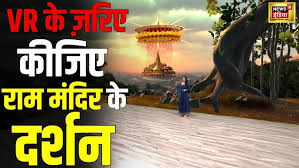
India is witnessing an exciting surge in virtual reality (VR) technology, as the nation embraces this cutting-edge innovation across various industries. From education to healthcare, gaming to real estate, VR is transforming how people interact with digital environments and creating endless possibilities for businesses and consumers alike. This rise in VR adoption marks the beginning of India’s journey into a tech-driven future, fueled by a rapidly growing ecosystem of startups, developers, and tech enthusiasts.
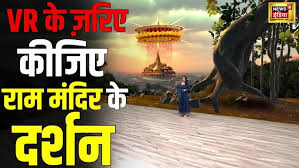
VR in India: Expanding Beyond Entertainment
Initially, VR in India was associated mainly with gaming and entertainment. However, as the technology matures, it is now being applied to more diverse fields. In education, VR is making strides in offering immersive learning experiences. Students can now take virtual field trips, interact with 3D models of historical landmarks, or even conduct scientific experiments in virtual labs. This is particularly transformative for schools in rural areas, where access to physical resources is limited.
In healthcare, VR is revolutionizing medical training and patient care. Indian medical institutions are utilizing VR for simulated surgeries and diagnostic training, giving professionals a risk-free environment to practice complex procedures. It is also being used in therapy, where patients with mental health conditions or trauma are treated through controlled VR environments that promote recovery.
A Booming Startup Scene
India’s vibrant startup ecosystem has embraced VR with open arms. Numerous startups are innovating in VR development, creating applications tailored for the Indian market. Companies like Tesseract (acquired by Reliance) and Simulanis are leading the charge in VR hardware and software development. These homegrown ventures are providing affordable VR solutions to Indian consumers and businesses, helping bridge the gap between technology and everyday use.
Government initiatives such as “Digital India” and “Startup India” are providing the necessary support to boost VR innovation, encouraging investment and research in emerging technologies. With a push for smart cities and digital infrastructure, VR is expected to play a crucial role in transforming urban planning, tourism, and industrial design in India.
Gaming and Entertainment: The Catalyst
Gaming remains one of the largest contributors to India’s VR ecosystem. With the growing popularity of immersive gaming experiences, VR gaming is attracting both players and developers. Indian game developers are creating locally-inspired VR games, making it more relatable to the Indian audience. VR arcades and gaming zones are popping up across major cities, bringing this immersive experience to the masses.
The entertainment industry is also using VR to deliver new experiences to its audience. Filmmakers are experimenting with VR storytelling, giving viewers a 360-degree experience of their favorite shows and movies. This innovation is paving the way for a new form of interactive entertainment that allows viewers to step into the world of cinema in ways previously unimaginable.
Challenges and the Road Ahead
While India’s VR market is growing, it still faces challenges. The high cost of VR hardware, lack of widespread access to high-speed internet, and limited local content creation are obstacles that need to be addressed. However, as technology becomes more affordable and internet penetration increases, these challenges are likely to diminish over time.
Looking ahead, the future of VR in India is incredibly promising. As VR technology becomes more accessible and its applications continue to expand, India is poised to become a major player in the global VR industry. The country’s thriving tech community and strong government support position it well to be at the forefront of the virtual reality revolution.
With industries ranging from education to real estate and healthcare to entertainment exploring the potential of VR, India is set to redefine how people interact with technology—taking us one step closer to a fully immersive, digitally integrated future.t.